Traditional Mangar Musical Instruments
Preserving the indigenous sounds, craftsmanship, and ancestral musical legacy of the Mangar community across Sikkim.
Madal (मादल)
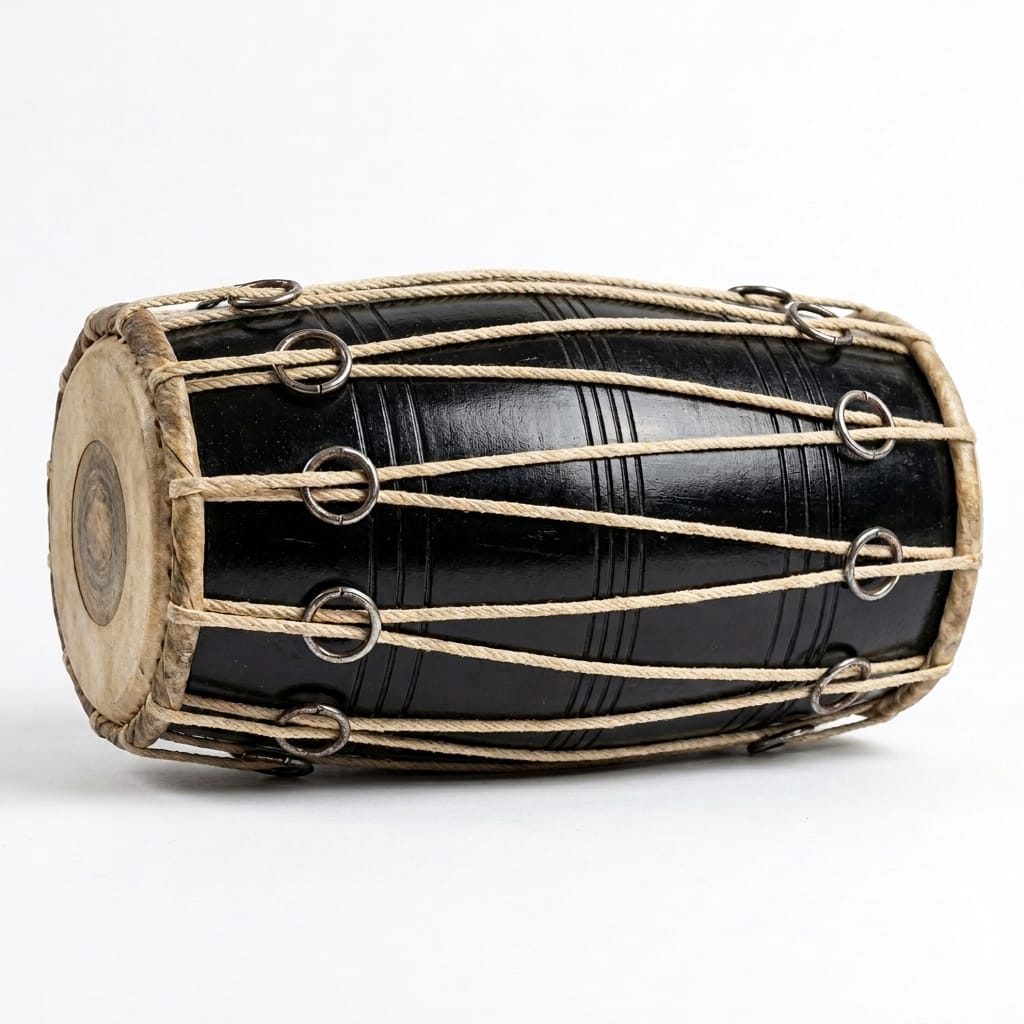
The Madal is a traditional double-headed barrel drum and an important folk instrument of the Mangar community. It is primarily used to provide rhythm in traditional songs, dances, and cultural performances. The instrument consists of two drumheads of different sizes, traditionally made from double-layered goat skin and secured to a wooden body with leather straps and metal loops.
A distinctive feature of the Madal is the black Khari, a tuning paste made from flour, iron filings, and egg. Applied to the centre of the drumheads, it adds weight and produces a deep, resonant tone. The Madal is played horizontally in a seated position, with both drumheads struck simultaneously using the hands.
Beyond its musical role, the Madal holds deep cultural and mythological significance for the Mangar community. Its rhythms are closely associated with traditional dances, songs, gatherings, and the transmission of ancestral cultural knowledge, making it an important symbol of Mangar identity and heritage.
Khaijadi (खैजडी)
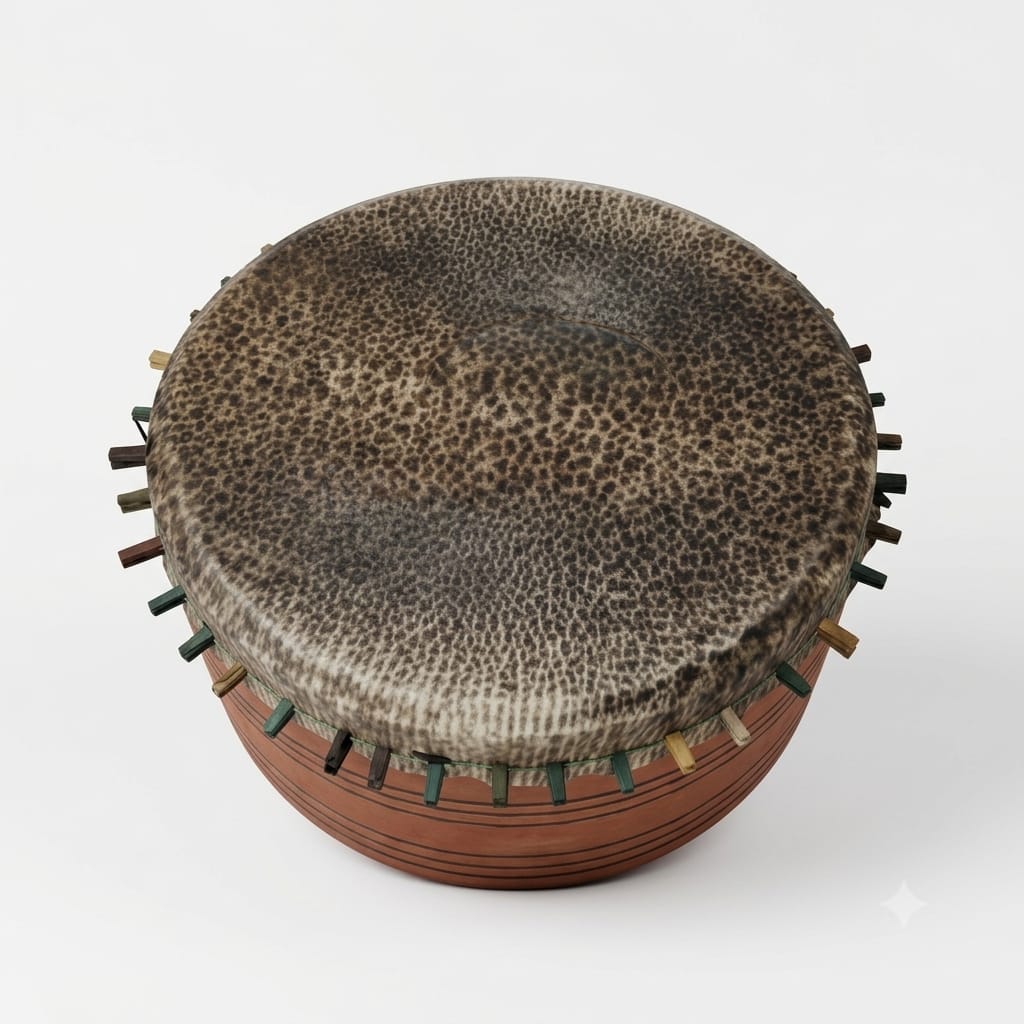
The Khaijadi is a small traditional frame drum that forms an important part of the musical heritage of the Mangar community. It consists of a carefully carved wooden frame over which traditionally prepared iguana skin is stretched and firmly secured with wooden pegs along the underside. Its compact form and distinctive tone make it particularly suited to rhythmic accompaniment.
Within Mangar cultural practice, the Khaijadi is closely associated with traditional Chudka and Kauda performances, where its rhythmic sound accompanies singing, dancing, and communal celebration. Its continued use in these traditional forms reflects its place within the community’s inherited musical traditions.
More than a percussion instrument, the Khaijadi represents an element of Mangar cultural identity and intangible heritage. Its traditional construction, distinctive rhythm, and association with Mangar dances demonstrate the way musical instruments have been preserved and transmitted through generations as part of the community’s cultural expression.
Jharra (झर्रा)
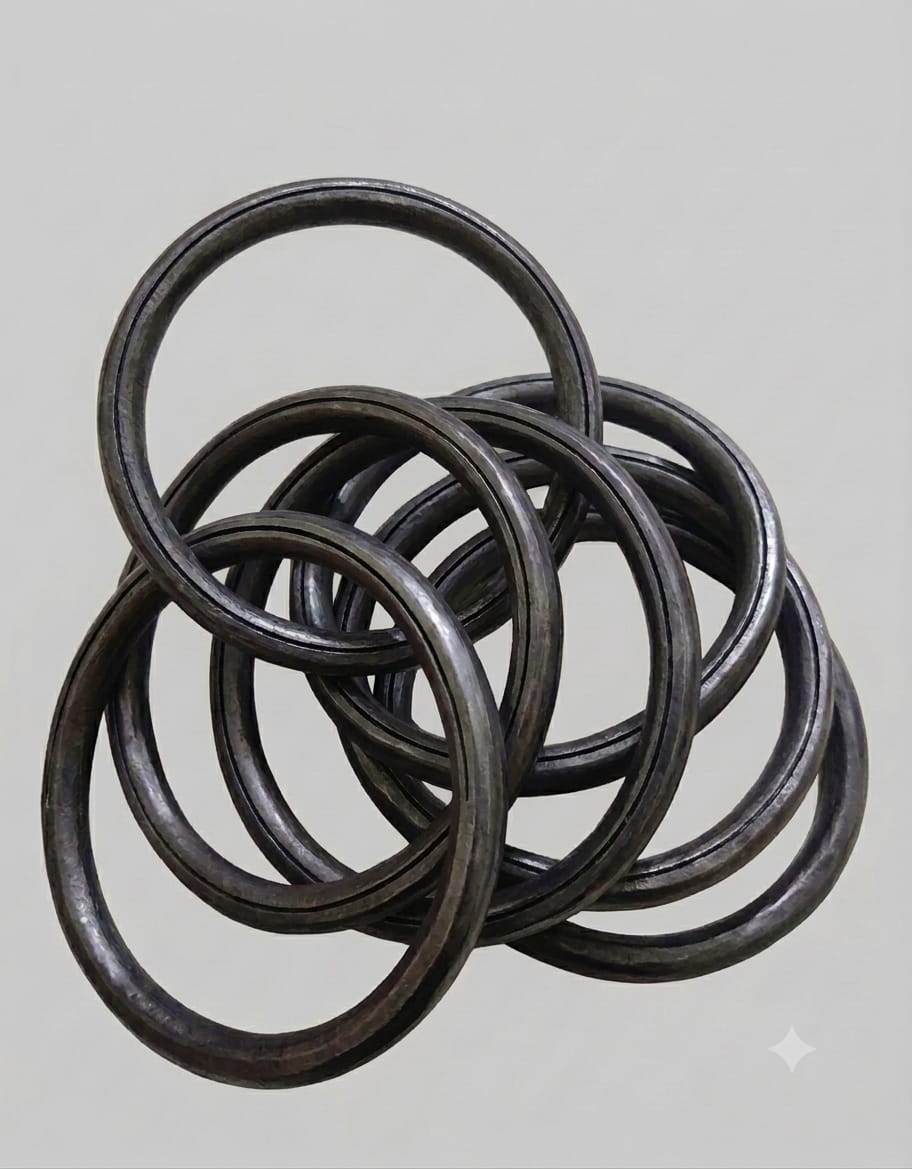
The Jharra is a traditional percussive instrument of the Mangar community, worn around the legs or ankles by dancers. Made of metal, it produces a sharp, rhythmic sound that naturally follows the movements and footwork of the dancer, adding energy and texture to traditional performances.
The Jharra is generally performed together with other traditional Mangar instruments such as the Madal, Khaijadi, and Damaha, creating a coordinated rhythmic ensemble. Its distinctive sound is particularly important in energetic indigenous dances such as Kauda, Jhamare, Paisyaru, Sorathi, and Bhumey.
More than a simple rhythmic accessory, the Jharra forms an integral part of the Mangar dance tradition, linking the movement of the dancer with the rhythm of traditional music. Its continued use in these dances reflects the community’s enduring musical heritage and cultural identity.
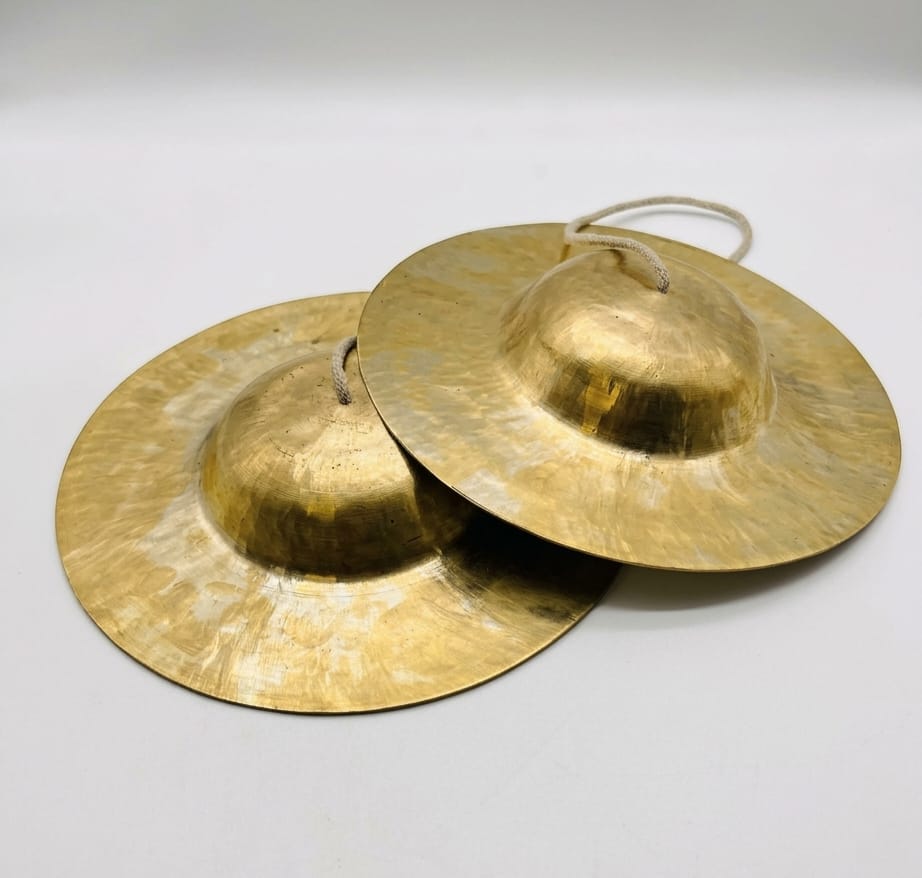
Jhyamta/Jhyali (झ्याम्टा/झ्याली)
The Jhyamta, also known as Jhyali, is a traditional percussion instrument consisting of a pair of circular metal discs, traditionally crafted from bronze or brass. The instrument produces a bright, resonant metallic sound when the two discs are struck against each other rhythmically.
In the Mangar community, the Jhyamta/Jhyali is used as a rhythmic accompaniment in traditional songs, dances, and cultural performances. Its distinctive sound complements instruments such as the Madal, Khaijadi, and Damaha, contributing to the lively rhythm of Mangar folk traditions. Its continued use in traditional performances reflects its place within the musical heritage and cultural identity of the Mangar community.
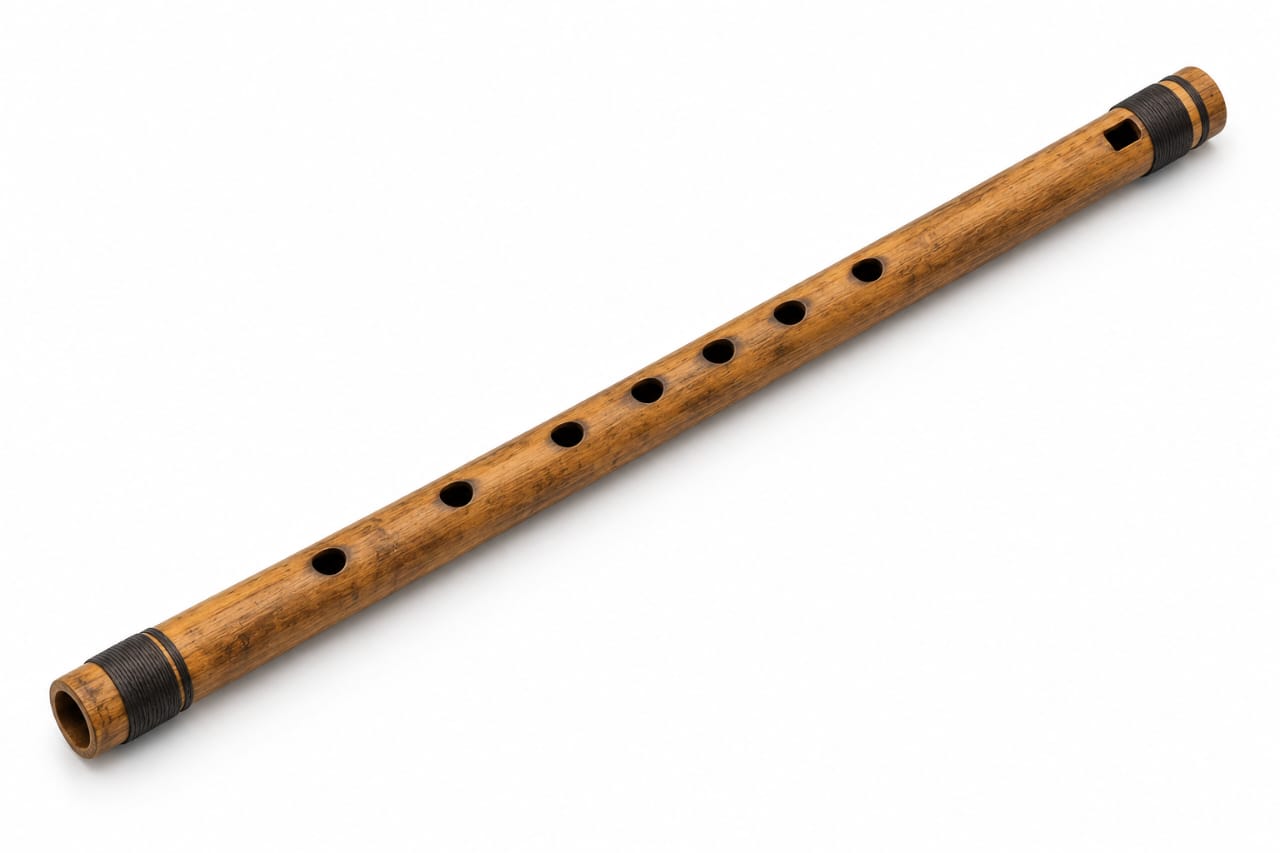
Bansuri (बाँसुरी)
The Bansuri, or traditional flute, is a transverse, edge-blown wind instrument that forms part of the musical heritage of the Mangar community. Traditionally made from bamboo, it features finely carved ridges, decorative ferrules, and circular bands that reflect the craftsmanship associated with traditional Mangar musical instruments. One end near the blowing aperture is closed and may support a wooden tassel, while the opposite end remains open.
The flute has six finger holes on the front and one thumb hole at the back. It is played horizontally by blowing across the aperture while covering and uncovering the finger holes to produce different notes.
In Mangar cultural practice, the Bansuri has been used as a melodic accompaniment to traditional songs, dances, and communal performances. Its craftsmanship, manner of playing, and continued presence in traditional musical expression make it a meaningful part of Mangar musical heritage and cultural identity.
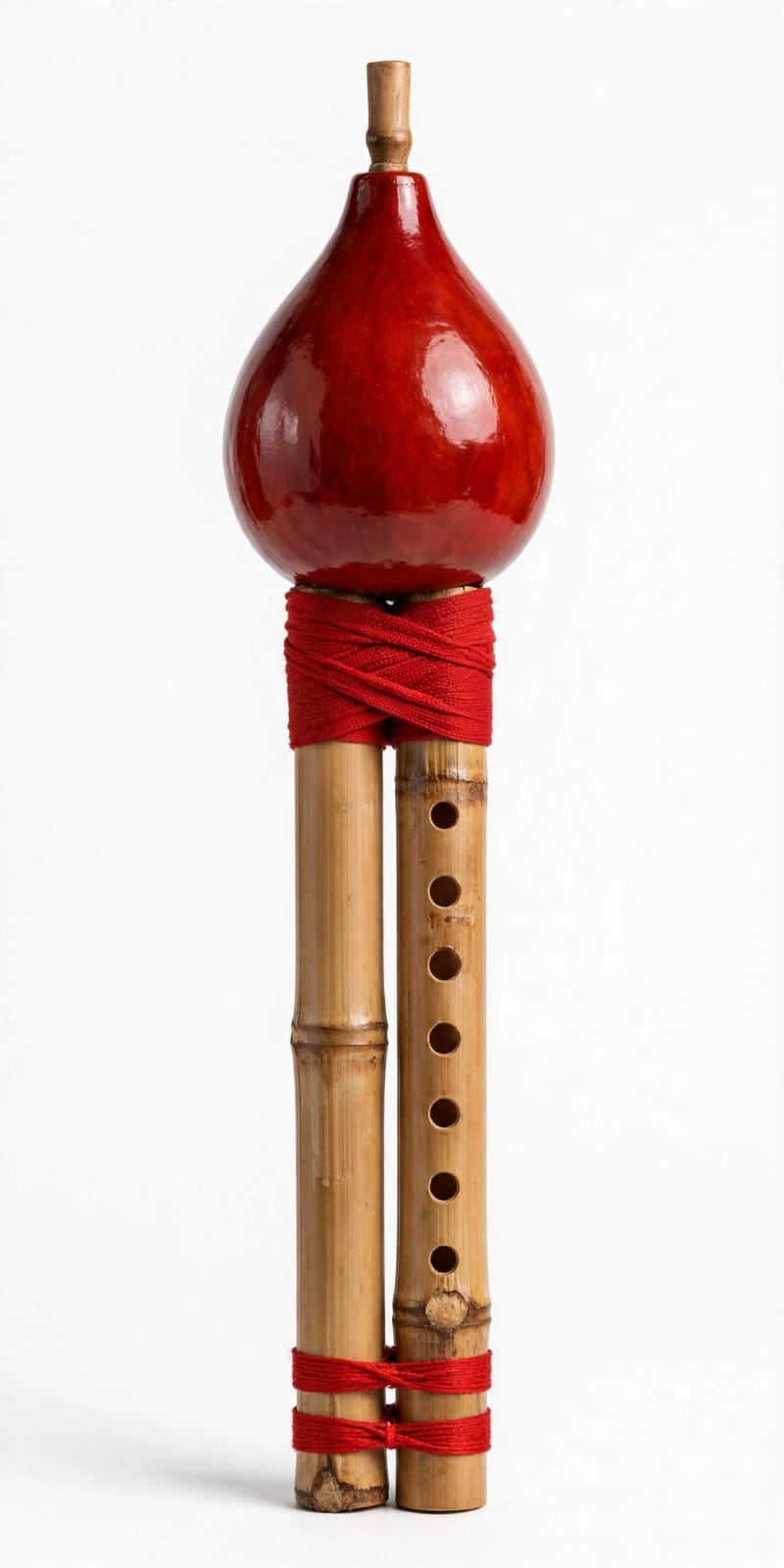
Ghosh Baja / Mahuri Baja (घोष बाजा/मौरी बाजा)
Ghosh Baja, also known as Mahuri Baja, is a rare and distinctive traditional wind instrument deeply rooted in the musical heritage of the Mangar community. Belonging to the aerophone family, it is a reed-based instrument traditionally made with a double or quadruple reed, producing a powerful, resonant, and high-pitched melodic sound.
The Ghosh Baja holds a significant place in Mangar cultural performances and is traditionally played during major community festivals, ancestral rituals, and indigenous folk dances. Its penetrating melody provides an important musical foundation, complementing rhythmic instruments such as the Madal.
Its continued association with Mangar ceremonial and folk traditions, together with its distinctive sound and traditional manner of performance, makes the Ghosh Baja an important element of the Mangar community’s intangible musical heritage and cultural identity.
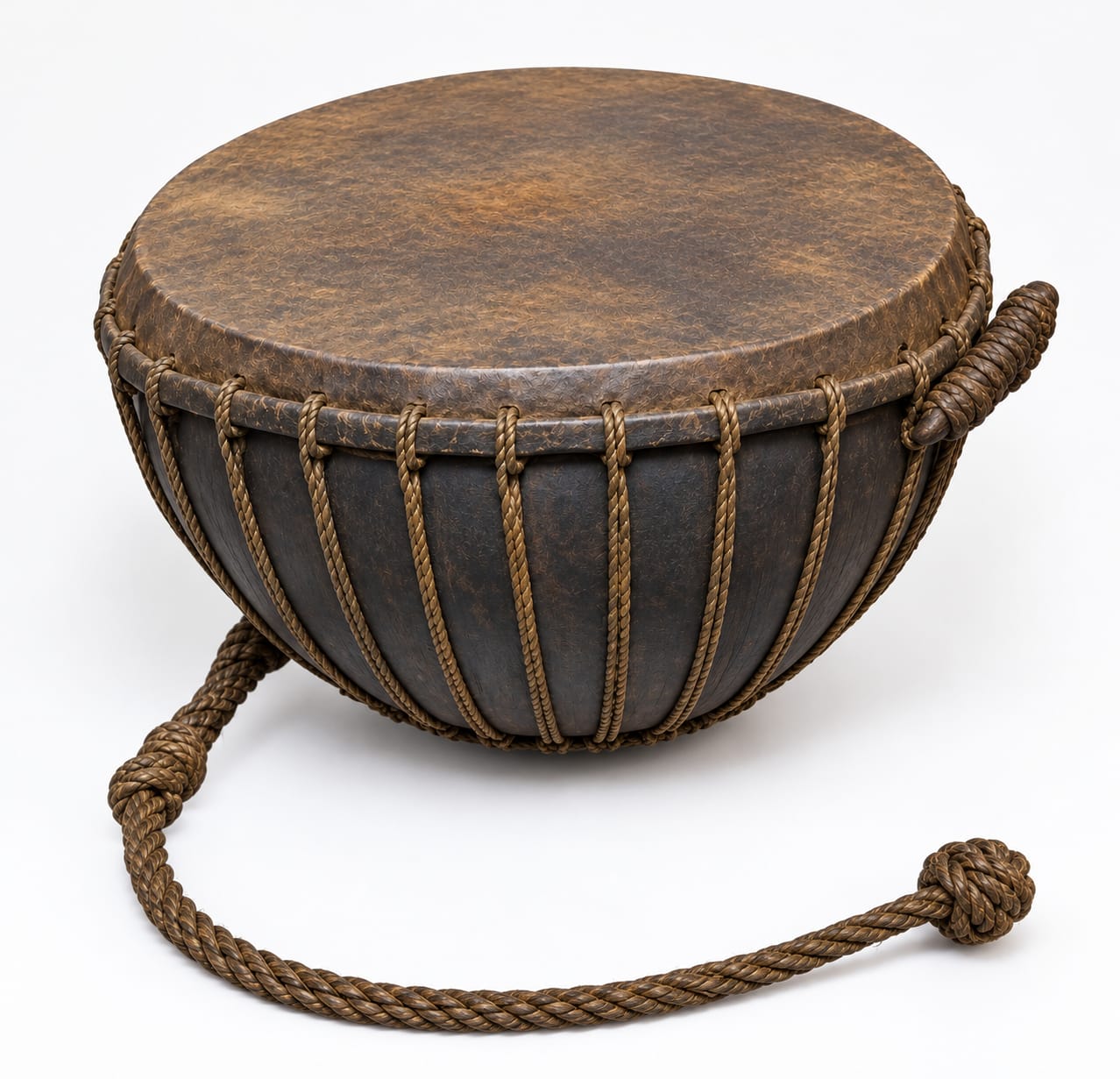
Damaha (दमाहा)
The Damaha is a traditional single-headed kettledrum that forms an important part of the musical heritage of the Mangar community. It consists of a copper bowl covered with a buffalo-skin drumhead, which is securely laced to the body with leather straps and reinforced around the base with a metal ring.
The Damaha is played using one or two wooden sticks, which may be straight or slightly angled. Its deep and powerful sound provides a strong rhythmic foundation for traditional Mangar performances.
The instrument is particularly associated with traditional dances such as Bhumey, Paisyaru, Mayur Nach, and other Mangar folk dance forms. Through its distinctive rhythm and continued use in traditional performances, the Damaha holds an important place in the musical traditions, cultural practices, and heritage of the Mangar community.
Source: Sandeep Thapa Mangar